
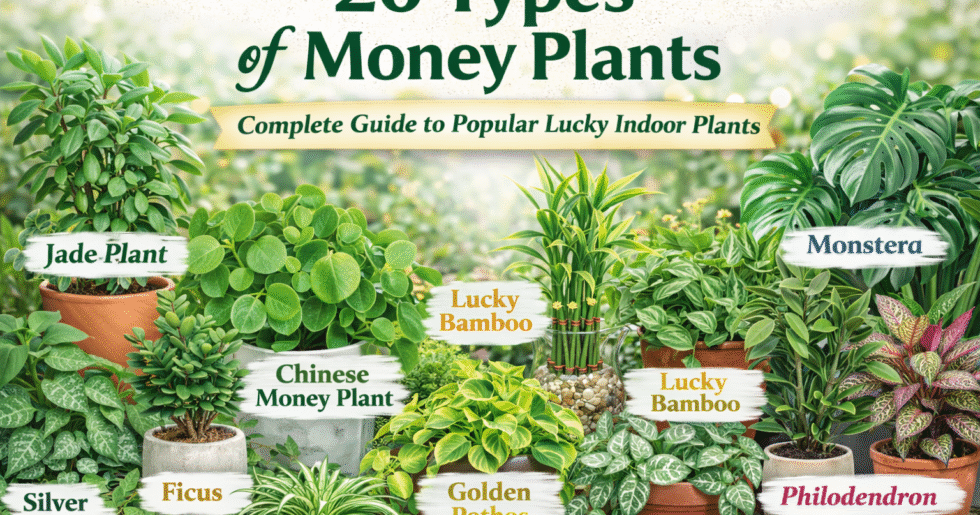
Money plants are among the most popular indoor plants worldwide, admired for their lush green foliage, low maintenance requirements, air-purifying properties, and association with prosperity and good fortune. Across cultures — especially in Feng Shui and Vastu traditions — different types of money plants are believed to attract wealth, positivity, and harmony when placed correctly.
These plants vary widely in leaf shape, color patterns, growth habits, and environmental needs. Some thrive as trailing vines, others grow as compact desk plants, and a few become striking ornamental indoor trees. Below is a comprehensive guide to 20 types of money plants including their features, care needs, symbolism, and best uses.
Quick Answer
There are many popular types of money plants grown for decoration, air purification, and prosperity symbolism. Common ones include Golden Pothos, Jade Plant, Chinese Money Plant, Lucky Bamboo, Monstera, ZZ Plant, Rubber Plant, Philodendron, Aglaonema, Money Tree (Pachira), Spider Plant, Hoya, Arrowhead Plant, Neon Pothos, Marble Queen Pothos, Ficus, String of Coins, Silver Money Plant, Variegated Pothos, and Devil’s Ivy. These plants are easy to maintain and widely believed to bring positive energy and financial luck.
1. Golden Pothos (Epipremnum aureum)


Golden pothos is one of the most common and beginner-friendly money plants. It features heart-shaped green leaves splashed with yellow or golden variegation. This trailing vine grows rapidly and adapts easily to both soil and water propagation, making it extremely versatile for indoor settings.
It thrives in bright indirect light but can tolerate low-light conditions, though growth may slow. The plant prefers moderate watering and well-drained soil. Overwatering can lead to root rot, so allowing the topsoil to dry between waterings is essential.
Symbolically, golden pothos represents wealth, growth, and positive energy. It is commonly placed in living rooms, offices, or balconies to encourage prosperity. Its air-purifying qualities add practical value beyond aesthetics.
2. Jade Plant (Crassula ovata)


The jade plant is a succulent widely associated with financial success and stability. Its thick, glossy, oval-shaped leaves resemble coins, which explains its strong symbolism in Feng Shui and Vastu traditions. Over time, jade plants develop woody stems and can grow into small tree-like forms.
Jade plants require bright sunlight and minimal watering. Being a succulent, it stores water in its leaves, so overwatering is the most common mistake. Well-drained soil and good drainage holes are essential for healthy growth.
This plant symbolizes long-term prosperity, endurance, and steady financial growth. Because it is long-lived and easy to maintain, many people place it near entrances or business spaces to attract wealth and positive opportunities.
3. Chinese Money Plant (Pilea peperomioides)


The Chinese money plant is known for its distinctive round, coin-shaped leaves attached to long petioles. Its symmetrical and minimal design has made it extremely popular in modern interior décor. Compact and manageable, it works well in apartments and small spaces.
It prefers bright indirect light and moderate watering. The soil should remain slightly moist but not soggy. One of its appealing features is its ability to produce small offshoots, or “pups,” which can be propagated easily.
Symbolically, this plant represents wealth, friendship, and good fortune. It is often gifted to loved ones as a sign of shared prosperity. Its compact size and clean appearance make it ideal for desks and shelves.
4. Marble Queen Pothos


Marble Queen pothos is a decorative variation of pothos featuring creamy white and green marbled leaves. It grows slightly slower than golden pothos but offers a more refined, ornamental appearance. The strong variegation requires brighter indirect light to maintain its pattern.
Like other pothos varieties, it thrives in well-drained soil and moderate watering. It adapts well to indoor environments and requires minimal maintenance. Pruning encourages fuller growth and keeps its trailing vines tidy.
This plant symbolizes balance, clarity, and prosperity. Its elegant foliage makes it a favorite for contemporary homes and office spaces seeking both style and positive energy.
5. Lucky Bamboo (Dracaena sanderiana)


Lucky bamboo is strongly connected with Feng Shui practices, where it symbolizes wealth, harmony, and positive energy. Although it resembles bamboo, it belongs to the Dracaena family. It is commonly grown in water-filled containers with decorative stones.
Lucky bamboo thrives in indirect light and requires clean water, which should be changed regularly. If grown in soil, it needs moderate watering and good drainage.
The number of stalks in an arrangement carries symbolic meaning — for example, three stalks represent happiness, wealth, and longevity. Its minimal care needs and elegant shape make it a popular gift plant for homes and offices.
6. Silver Money Plant (Scindapsus pictus)


The silver money plant, often called satin pothos, features dark green leaves adorned with silvery markings. Its textured foliage gives it a luxurious appearance, making it highly decorative for indoor spaces.
It grows best in bright indirect light and prefers consistent but moderate watering. Like other trailing vines, it can be trained on trellises or allowed to cascade from hanging baskets.
Symbolically, this plant represents elegance, abundance, and refined prosperity. Its unique leaf pattern makes it a sophisticated alternative to traditional pothos varieties.
7. Monstera (Monstera deliciosa)


Monstera, often called the Swiss cheese plant, is known for its large, split leaves that create a bold tropical aesthetic. While not traditionally labeled as a “money plant,” it is often associated with prosperity and growth due to its expansive foliage.
It requires bright indirect light, moderate watering, and occasional humidity support. As it matures, it may need a moss pole for structural support.
Symbolically, monstera represents expansion, success, and ambition. Its dramatic presence makes it a statement piece in modern homes and offices.
8. ZZ Plant (Zamioculcas zamiifolia)


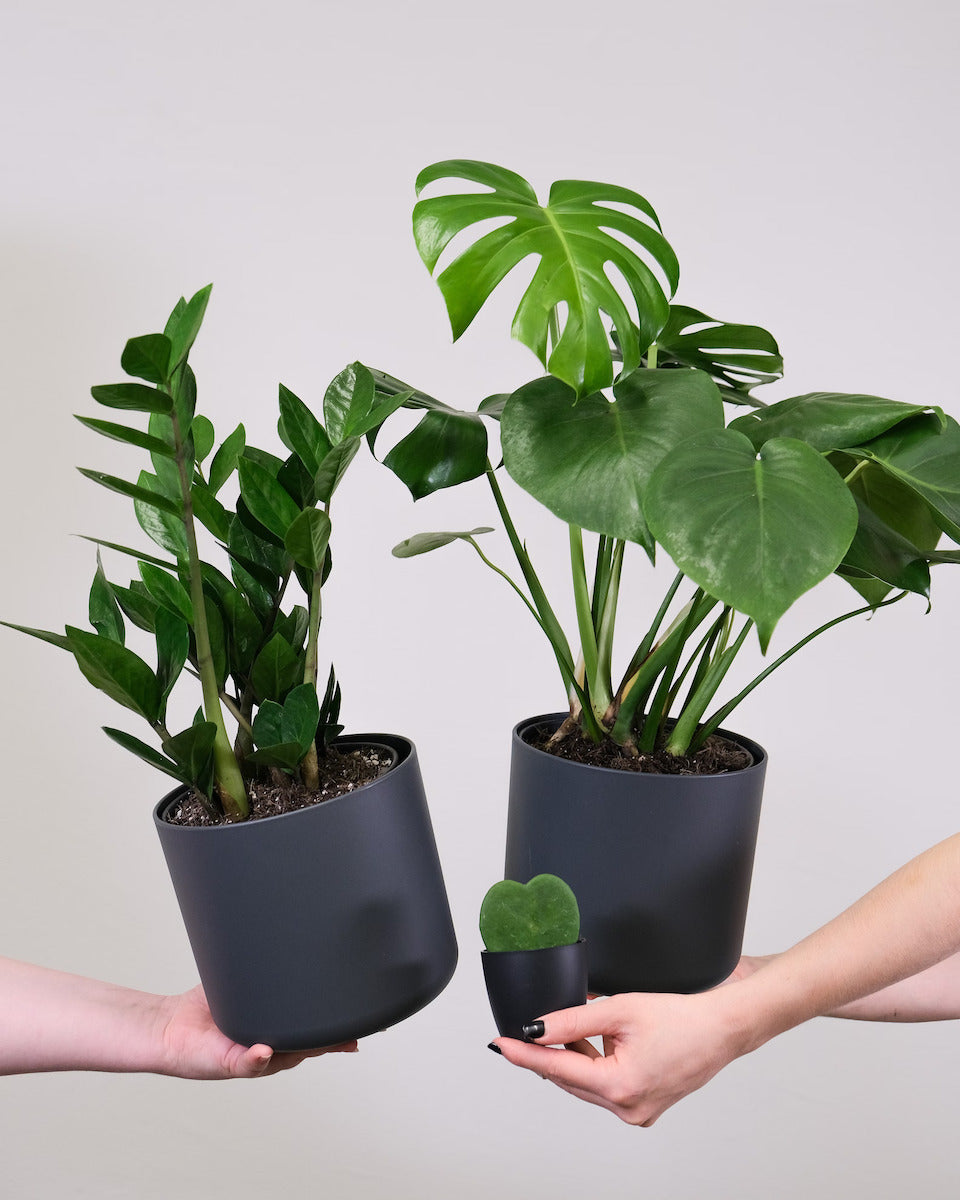
The ZZ plant is renowned for its resilience and glossy dark green leaves. It tolerates low light, drought, and neglect better than most houseplants, making it ideal for busy individuals or beginners.
It prefers well-drained soil and minimal watering. Overwatering is the main risk. Its thick rhizomes store water, allowing it to survive dry periods.
In symbolic terms, the ZZ plant represents endurance, stability, and wealth accumulation. Its sleek, architectural appearance suits both minimalist and professional environments.
9. Pachira Money Tree (Pachira aquatica)


The Pachira money tree is perhaps the most recognized traditional money plant. It often features braided trunks and lush green leaves. In Feng Shui, it is believed to attract financial luck and positive energy.
It thrives in bright indirect light and requires moderate watering. The soil should be allowed to dry slightly between waterings. Proper drainage prevents root problems.
The braided trunk symbolizes intertwined fortune and stability. It is commonly placed in offices, businesses, and living rooms to encourage prosperity.
10. Rubber Plant (Ficus elastica)


The rubber plant is a bold indoor plant with thick, glossy leaves. It can grow into a large indoor tree when given proper light and space. Bright indirect light and moderate watering support healthy growth.
It is known for air purification and strong visual presence. Regular dusting of leaves helps maintain shine and photosynthesis efficiency.
Symbolically, rubber plants represent growth, abundance, and stability. Their sturdy structure makes them suitable for creating a powerful, grounded energy in indoor spaces.
11. Neon Pothos (Epipremnum aureum ‘Neon’)


Neon pothos is a vibrant cultivar of pothos known for its bright lime-green foliage. Unlike variegated pothos, its leaves are uniformly neon green, creating a fresh and energetic appearance indoors. This plant grows quickly and works well as a trailing vine, hanging plant, or climbing decorative plant on supports.
It thrives in bright indirect light but can tolerate moderate shade. Regular watering with good drainage keeps it healthy. Symbolically, neon pothos represents growth, renewal, and financial progress. Its striking color makes it particularly useful for brightening darker indoor spaces.
12. Philodendron Heartleaf (Philodendron hederaceum)


Heartleaf philodendron is a popular indoor vine with glossy, heart-shaped leaves. Often mistaken for pothos, it has softer foliage and a more delicate growth habit. It thrives in low to moderate light conditions, making it ideal for offices or shaded indoor spaces.
This plant prefers consistently moist soil but should not be overwatered. It also benefits from occasional pruning to maintain shape. Symbolically, it represents emotional well-being, stability, and prosperity. Its graceful trailing vines add softness and greenery to indoor décor.
13. Variegated Money Plant (Variegated Epipremnum)


Variegated money plants include pothos varieties with mixed white, yellow, and green leaf patterns. These plants are highly decorative and suitable for modern interiors. Their distinctive leaf patterns require bright indirect light to maintain color contrast.
They are easy to grow, needing moderate watering and well-drained soil. Regular pruning helps maintain bushiness. Symbolically, variegated money plants represent balance, abundance, and harmony. Their adaptability makes them popular for homes, offices, and decorative plant displays.
14. Arrowhead Plant (Syngonium podophyllum)


Arrowhead plants feature uniquely shaped leaves resembling arrowheads. As they mature, the leaf shape changes, adding visual interest. They grow well in moderate light and humid indoor conditions.
These plants prefer moist but well-drained soil and occasional misting. They can grow as compact tabletop plants or trailing vines. Symbolically, they represent transformation, personal growth, and prosperity. Their evolving leaf shape often reflects adaptability and progress.
15. Hoya Plant (Hoya carnosa)


Hoyas, also known as wax plants, are climbing or trailing vines with thick, waxy leaves. Some varieties produce fragrant star-shaped flowers, adding ornamental value beyond foliage.
They prefer bright indirect light, minimal watering, and well-drained soil. Hoyas are relatively drought tolerant due to their succulent-like leaves. Symbolically, they represent affection, commitment, and prosperity. Their trailing habit makes them perfect for hanging baskets or decorative trellises.
16. Spider Plant (Chlorophytum comosum)


Spider plants are among the easiest houseplants to grow. Their long arching leaves and small plantlets (“spiderettes”) create a dynamic visual effect. They thrive in indirect light and tolerate occasional neglect.
They require moderate watering and good drainage. Spider plants are known for air-purifying properties, making them beneficial for indoor environments. Symbolically, they represent protection, positive energy, and renewal. They are ideal for beginners.
17. Chinese Evergreen (Aglaonema)


Chinese evergreen plants are admired for their patterned foliage and low-maintenance nature. They tolerate low light conditions better than many indoor plants, making them ideal for offices and apartments.
They require moderate watering and occasional fertilization. Overwatering should be avoided. Symbolically, they represent longevity, stability, and prosperity. Their colorful leaves add vibrancy without requiring extensive care.
18. String of Coins Plant (Dischidia nummularia)
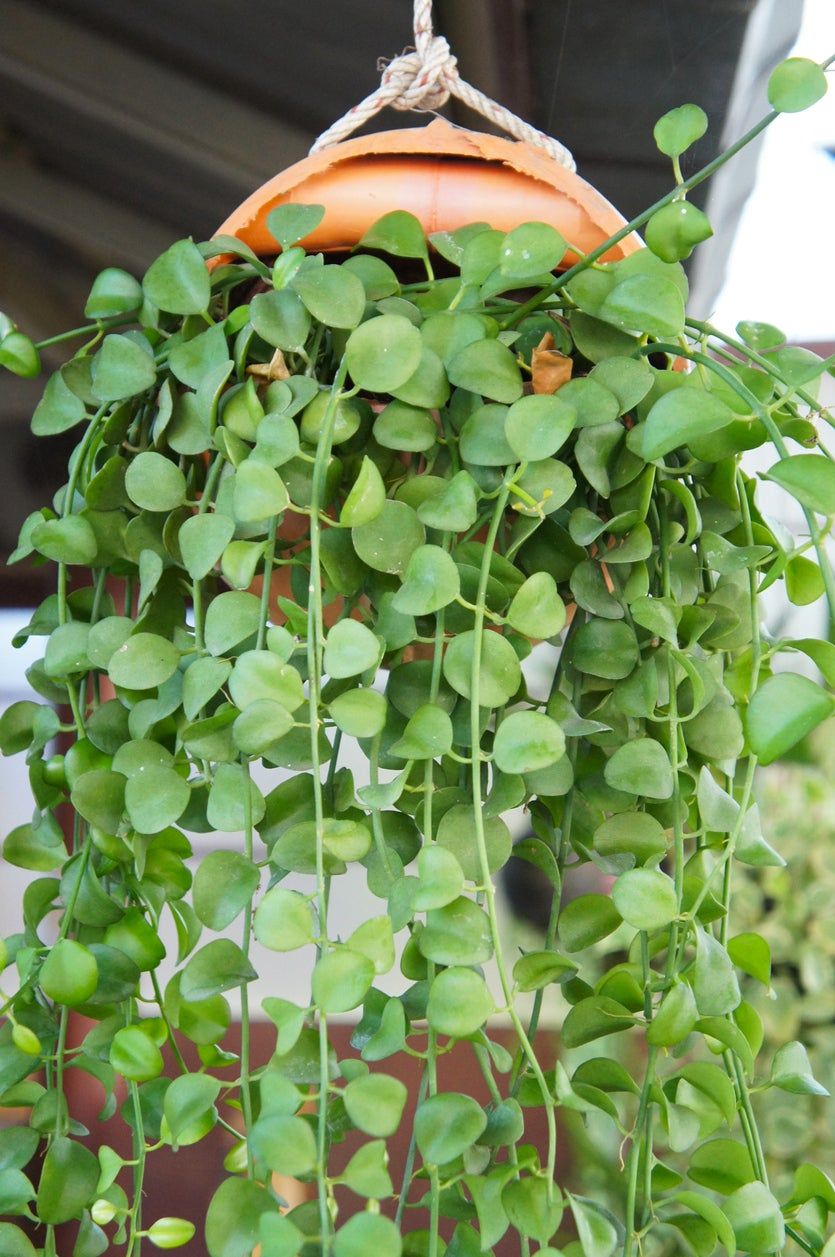

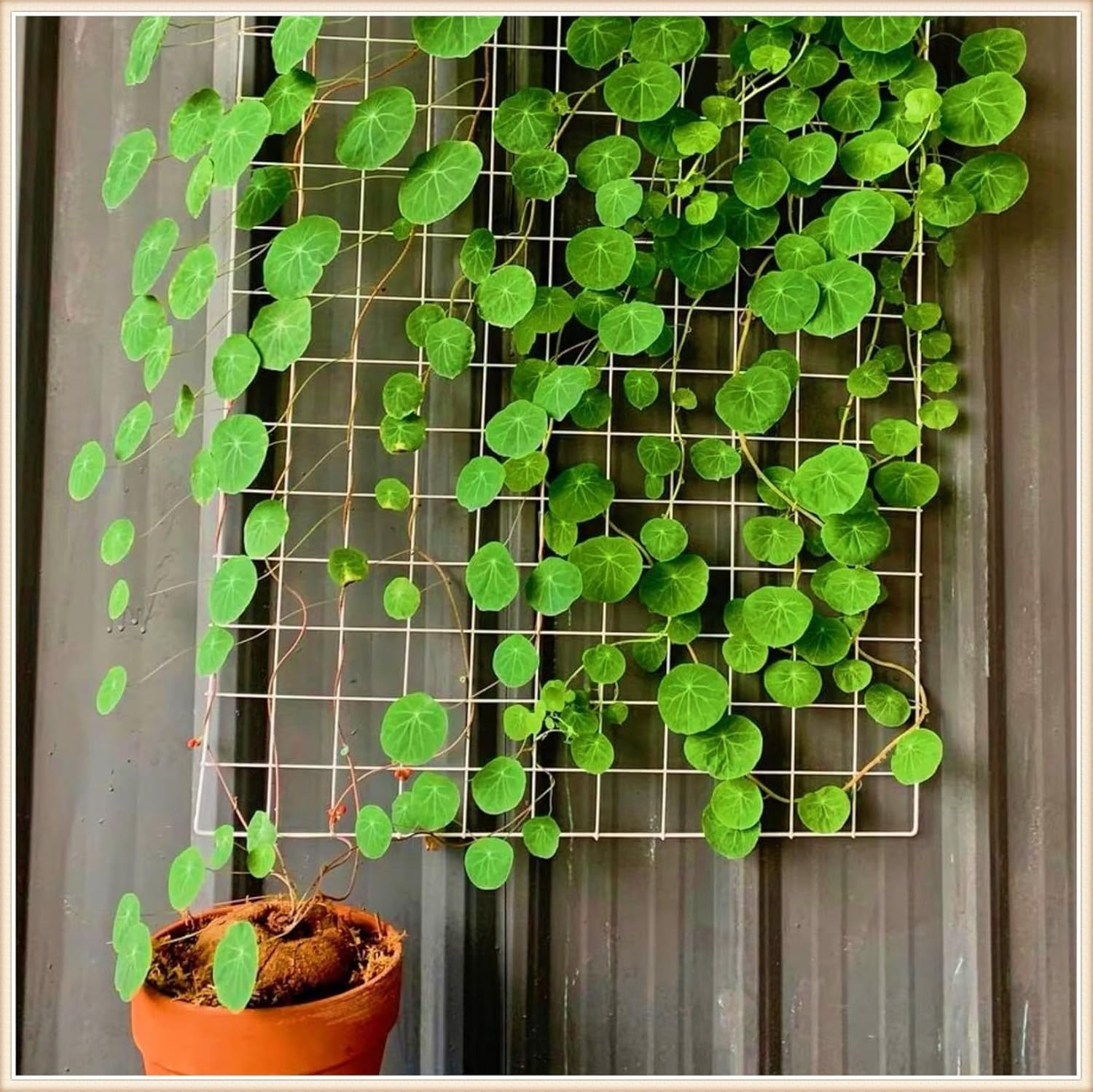
This trailing plant features small coin-shaped leaves that strongly reinforce its association with wealth. It grows well in hanging baskets or vertical gardens.
It prefers bright indirect light, light watering, and well-drained soil. Excess moisture can damage roots. Symbolically, it represents wealth accumulation, financial luck, and abundance. Its compact trailing growth makes it ideal for decorative indoor displays.
19. Ficus Money Plant (Ficus benjamina)


Ficus plants, particularly Ficus benjamina, are popular indoor ornamental trees. They have glossy leaves and elegant branching patterns. They thrive in bright indirect light and require consistent watering.
Ficus plants are known for air purification and decorative impact. Symbolically, they represent prosperity, resilience, and strength. They are often used in professional spaces due to their structured appearance.
20. Money Tree Plant (Pachira aquatica)


The money tree plant is strongly associated with financial luck in Feng Shui traditions. It often features braided trunks and bright green palmate leaves. It grows well indoors with bright indirect light.
Moderate watering and well-drained soil are essential. The plant symbolizes wealth, success, and positive energy flow. It is commonly placed in homes, offices, and business environments to encourage prosperity.
Final Thoughts
Understanding different types of money plants helps in selecting the right plant for décor, symbolism, and maintenance preferences. From trailing pothos to structured money trees, these plants combine beauty, cultural meaning, and practical benefits like air purification. With proper care, they enhance indoor spaces while adding greenery, calmness, and visual appeal.
Next Read: What is a Thai Basil Plant? Growing, Care Tips & Harvesting Guide
FAQs – Types of Money Plants
Popular types of money plants include pothos varieties, jade plant, money tree, Chinese money plant, ZZ plant, and lucky bamboo due to their symbolism and easy care.
Golden pothos, ZZ plant, jade plant, spider plant, and Chinese money plant are excellent indoor types of money plants because they tolerate low light.
Many cultures believe types of money plants symbolize prosperity and positive energy, especially in Feng Shui and Vastu traditions.
Most types of money plants need indirect sunlight, moderate watering, well-drained soil, and occasional pruning for healthy growth.
Pothos varieties, philodendron, and spider plants are among the fastest-growing types of money plants indoors.

Mark Spector is a passionate writer about gardening and home improvement. He has spent more than three years turning ordinary places into green, happy havens. Mark looks at every job with a fresh, down-to-earth view because he loves nature and is always interested in finding new plant varieties.
He wants to get people outside and involved with nature by writing about things like how to make a backyard garden better, trying out eco-friendly do-it-yourself projects, and seasonal plant care.
His favourite thing to do when he’s not writing or gardening is to look for new plants to love in botanical parks or on nature trails.